Book layouts
In-page text or facing-page text?
Every Onceling template commits to one layout for its whole interior — chosen by its creator, and inherited by every reader who personalises it.
In-page text
The words are illustrated straight into the artwork, like lettering in a classic picture book — the picture and the story are always one page.
Facing-page text
The illustration fills its own page, full and uninterrupted, while the words for that moment are set in type on the facing page beside it.
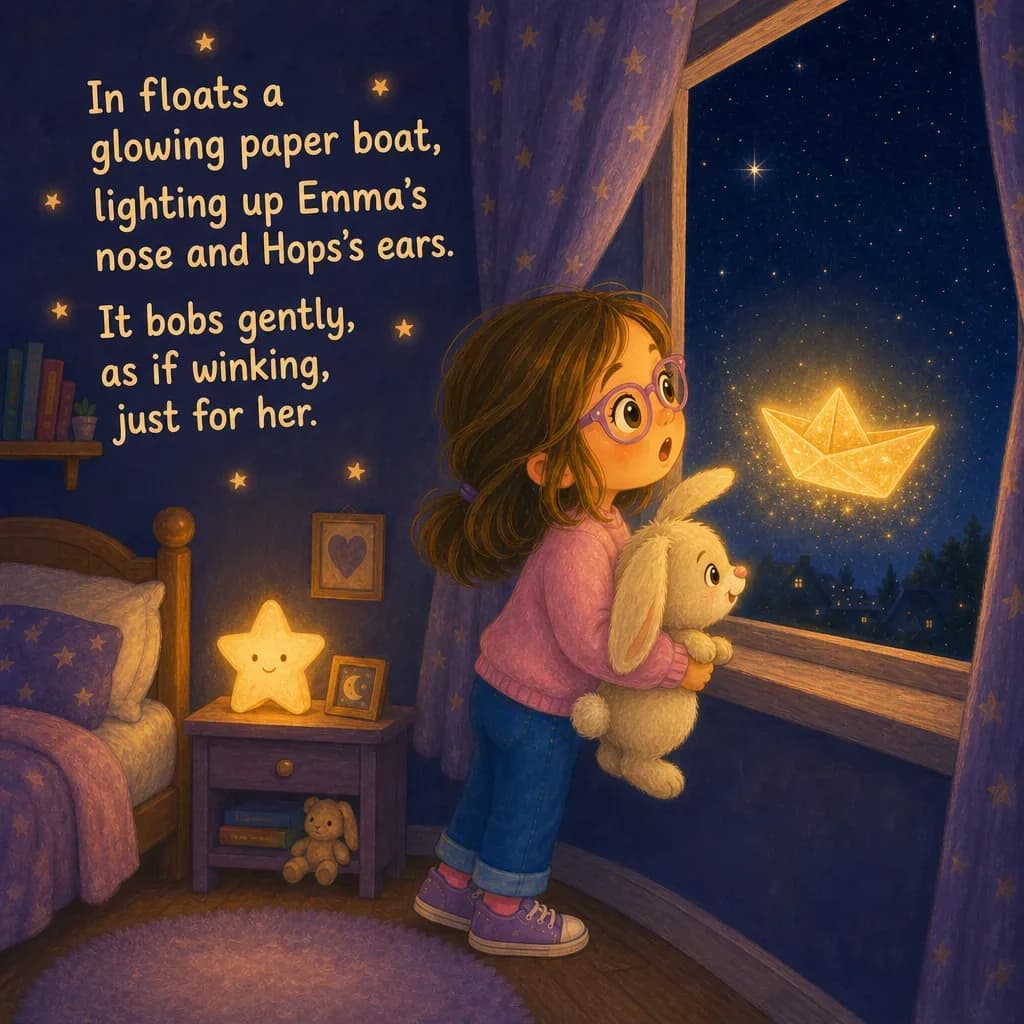
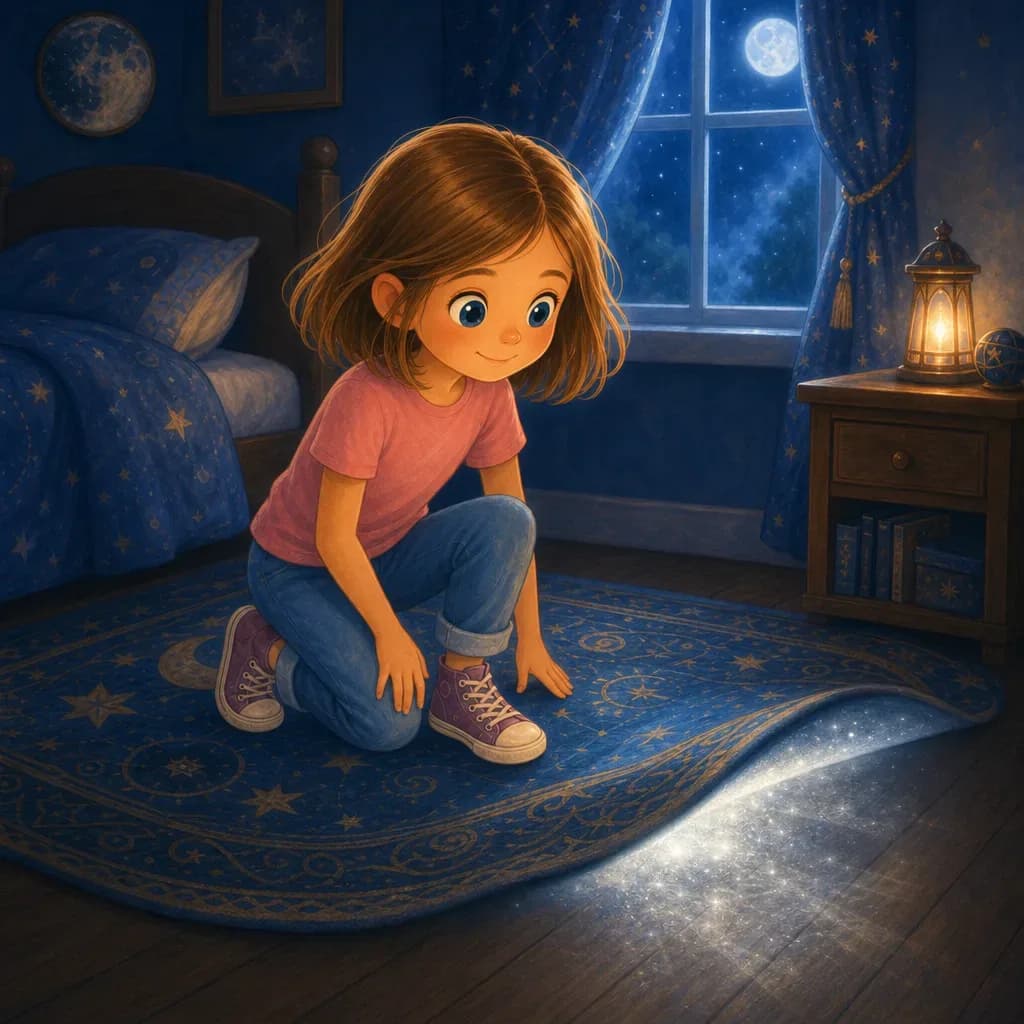
In-page text vs. facing-page text
- In-page text
- Words are illustrated into the artwork itself. Best for shorter, punchier lines and a classic picture-book feel.
- Facing-page text
- The illustration stays clean and full-bleed; story text is typeset on the page beside it. Suits longer passages and a read-aloud feel.
Which should you choose?
In-page text feels closest to a classic storybook and suits shorter, punchier lines. Facing-page text keeps the art uninterrupted and suits books with more text per page. Covers always carry their text in the image, whichever you pick for the interior.
Note: You inherit the template's layout
As a customer, you don't choose the layout when personalising a book — it's fixed by whichever template you pick, and stays the same throughout the interior.
Note: Creators choose it once, per template
A template's creator sets the layout, font, and text position when drafting it. It applies to every copy anyone makes from that template.
What to expect: Layout affects printed page count
Facing-page text uses two physical pages per story beat — one image, one text — where in-page text uses one, so printed totals differ between layouts.
Note: Layout also decides what later text edits cost
In-page text means any later word change has to re-render that page, using 1 generation. Facing-page text can be edited freely afterwards — changing the words there is always free, as often as you like.
Keep reading
Common questions
- What is In-page text?
- In-page text means the story's words are illustrated directly into the artwork, like lettering in a classic picture book. The image and text are one inseparable page.
- What is facing-page text?
- Facing-page text means the illustration fills its own page with no words on it, and the story text for that beat appears set in type on the facing page beside it.
- Which layout does my book use?
- Each story template is built with one layout throughout its interior. You can see which one a template uses on its gallery page before you personalize it.
- Are covers ever facing-page text?
- No. The front and back covers always carry their text in the image, whichever interior layout the rest of the book uses.
- Why would a template choose facing-page text?
- Facing-page text keeps illustrations clean and fully visible, and can suit books with more text per page or a typeset, read-aloud feel.
- Why would a template choose In-page text?
- In-page text keeps the words and picture together on one page, closer to a classic illustrated storybook, and suits shorter, punchier lines.
- Does the layout change how many pages print?
- Yes. Facing-page text uses two physical pages per story beat — one image, one text — while in-page text uses one, so printed page totals differ between layouts.
- Do I choose the layout when I personalise a book?
- No. The layout is fixed by the template's creator and stays the same throughout the interior; as a customer, you inherit whichever layout the template you pick already uses.
- Does the layout affect what later text edits cost?
- Yes. On an in-page book, changing a page's words has to re-render the illustration and uses 1 generation, every time. On a facing-page book, text edits only re-typeset the PDF and are always free, however often you make them.